
Essential details
MOQ:2000
Shipping:Express delivery, air freight, sea freight
Specification Number:2001
Product Introduction
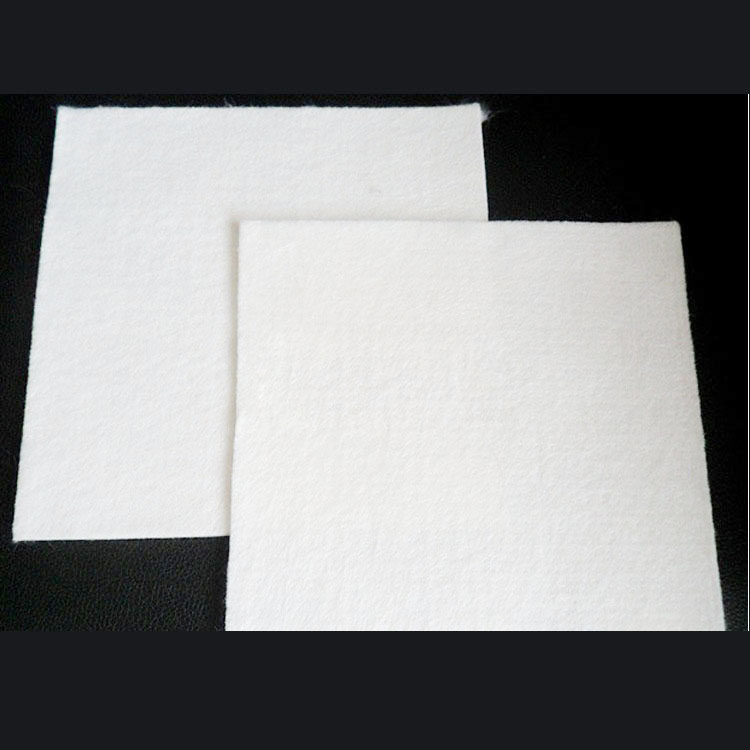
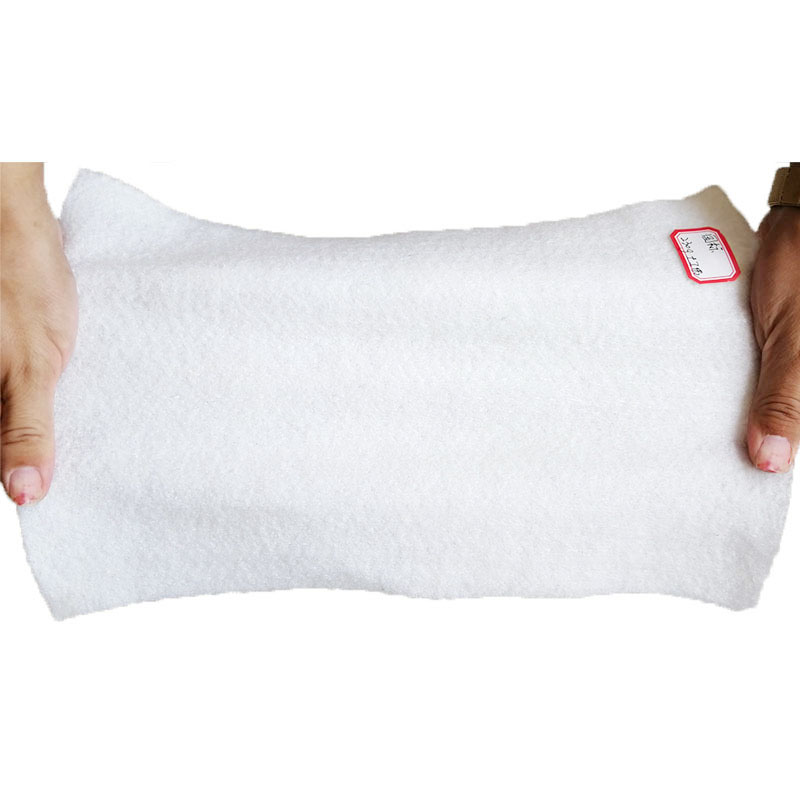
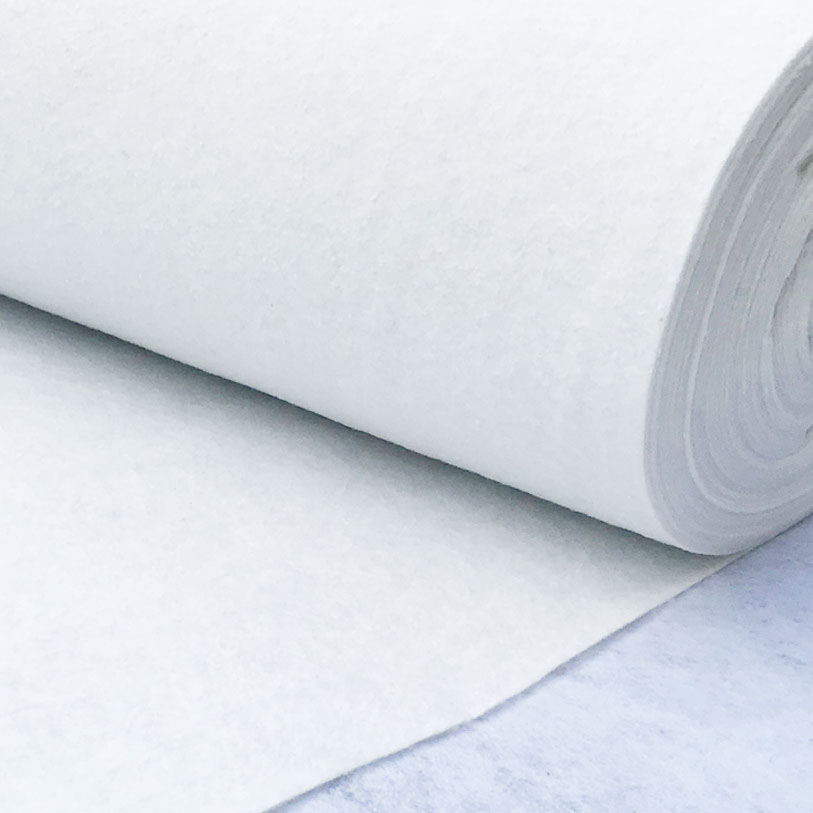
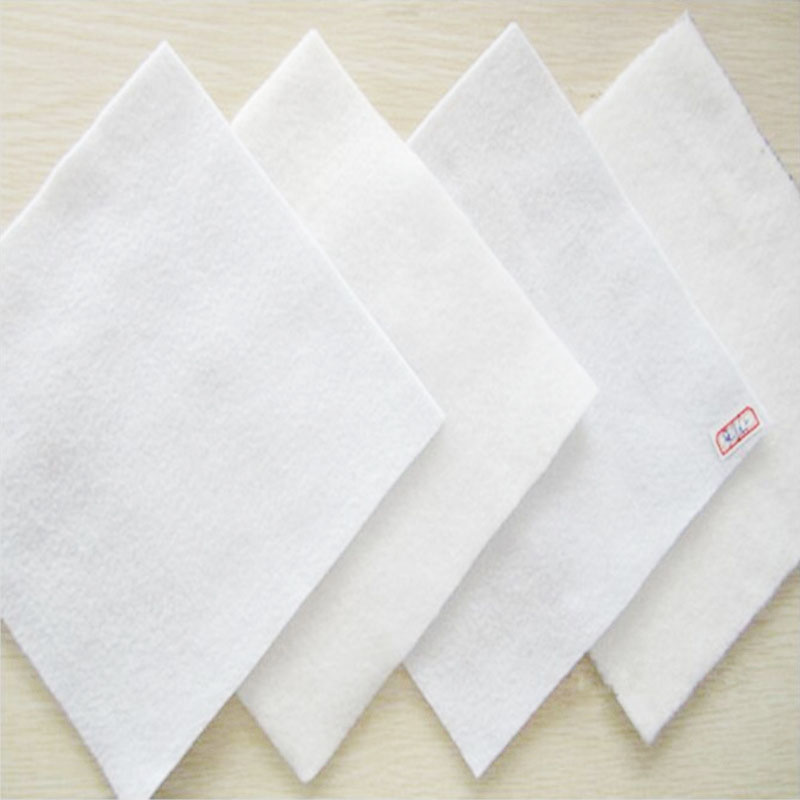
Short fiber needle-punched geotextile is a nonwoven industrial material manufactured from polyester or polypropylene short fibers through processes including opening, carding, mesh laying, and needle-punching. Its fibers form a three-dimensional entanglement network structure, exhibiting functions such as water permeability, water conductivity, enhanced tensile strength of soil, and stress dispersion. It is primarily used for seepage prevention, isolation, and reinforcement in civil engineering applications including hydraulic engineering and transportation systems.
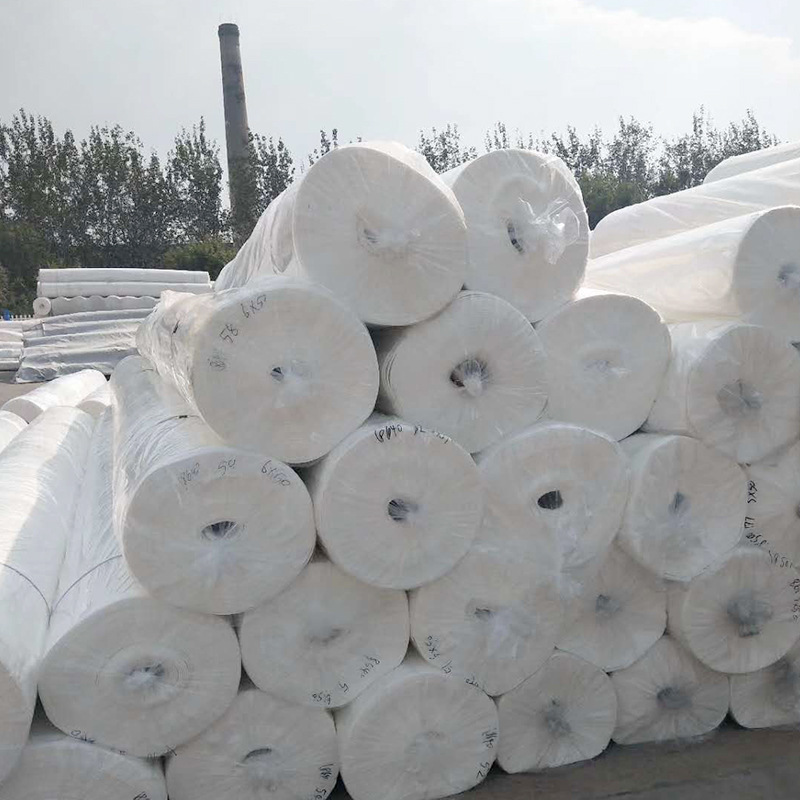
The raw material of this product has a fiber fineness of 6-12 denier. The production process employs physical entanglement to fix fiber shaping, with a width of up to 6 meters and a unit area mass of 100-600 g/m².During production, fibers with lengths of 54-64 mm are used and processed through a random laying net procedure. The needle-punching density is adjusted to meet various engineering requirements, ensuring the material's corrosion and oxidation resistance. Additionally, flame retardancy and anti-aging properties can be customized.The products are widely used in road reinforcement, environmental impermeability and water conservancy construction and other fields.
The raw material used was polyester curled short fiber with a fiber fineness of 6-12 denier and a length of 54-64 mm. The fabric is produced through manufacturing processes including fluffing, carding, disentanglement (removal of short fibers entangled together), web laying (standardized winding and fixation), and needling of nonwoven production equipment.
Performance Features
By utilizing the excellent air permeability and water permeability of geotextiles, water flow is facilitated to effectively intercept sand erosion.
Geotextiles exhibit excellent water conductivity, enabling them to form drainage channels within soil masses that effectively remove excess liquid and gas from the soil structure.
Geotextiles are utilized to enhance soil tensile strength and deformation resistance, thereby improving structural stability and soil quality in construction projects.
Effectively concentrates stress diffusion, transfer, or decomposition to prevent soil failure under external forces.
Prevent mixing between upper and lower layers of sand, gravel, soil, and concrete;
The reticular structure formed by unorganized fibrous tissue exhibits strain resistance and mobility, making pores less prone to occlusion.
It exhibits high permeability and maintains excellent water transmission under soil-water pressure.
Made from synthetic fibers such as polypropylene or polyester, it is acid and alkali resistant, non-corrosive, insect-resistant, and antioxidant.
Complete specifications: width up to 6 meters, unit area weight: 100-600 g/m².
The raw material of this product has a fiber fineness of 6-12 denier. The production process employs physical entanglement to fix fiber shaping, with a width of up to 6 meters and a unit area mass of 100-600 g/m².During production, fibers with lengths of 54-64 mm are used and processed through a random laying net procedure. The needle-punching density is adjusted to meet various engineering requirements, ensuring the material's corrosion and oxidation resistance. Additionally, flame retardancy and anti-aging properties can be customized.The products are widely used in road reinforcement, environmental impermeability and water conservancy construction and other fields.
The raw material used was polyester curled short fiber with a fiber fineness of 6-12 denier and a length of 54-64 mm. The fabric is produced through manufacturing processes including fluffing, carding, disentanglement (removal of short fibers entangled together), web laying (standardized winding and fixation), and needling of nonwoven production equipment.
Performance Features
By utilizing the excellent air permeability and water permeability of geotextiles, water flow is facilitated to effectively intercept sand erosion.
Geotextiles exhibit excellent water conductivity, enabling them to form drainage channels within soil masses that effectively remove excess liquid and gas from the soil structure.
Geotextiles are utilized to enhance soil tensile strength and deformation resistance, thereby improving structural stability and soil quality in construction projects.
Effectively concentrates stress diffusion, transfer, or decomposition to prevent soil failure under external forces.
Prevent mixing between upper and lower layers of sand, gravel, soil, and concrete;
The reticular structure formed by unorganized fibrous tissue exhibits strain resistance and mobility, making pores less prone to occlusion.
It exhibits high permeability and maintains excellent water transmission under soil-water pressure.
Made from synthetic fibers such as polypropylene or polyester, it is acid and alkali resistant, non-corrosive, insect-resistant, and antioxidant.
Complete specifications: width up to 6 meters, unit area weight: 100-600 g/m².
