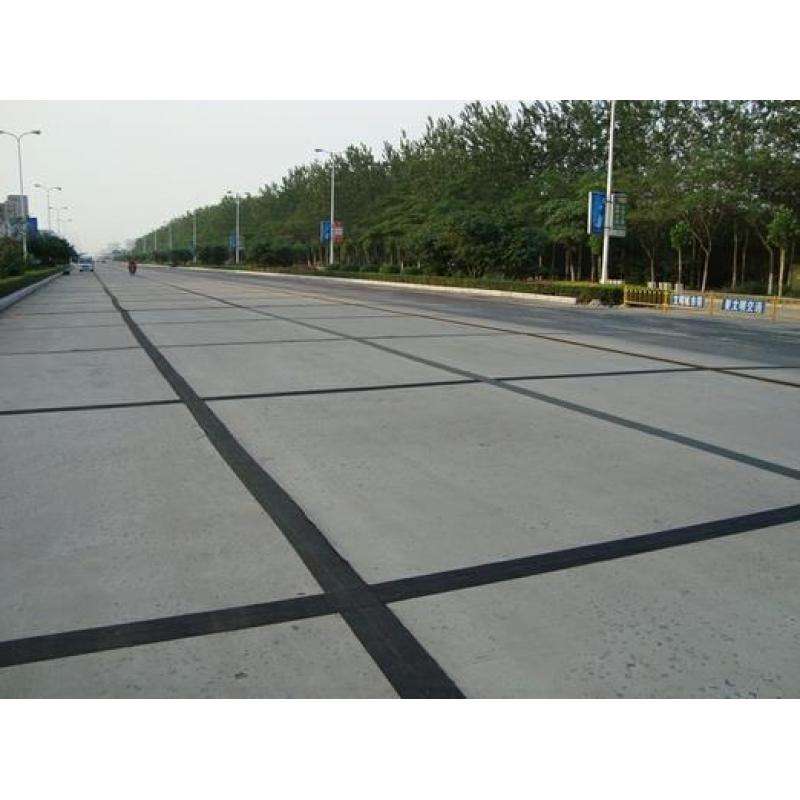

Essential details
Quantity(pieces):1
MOQ:2000
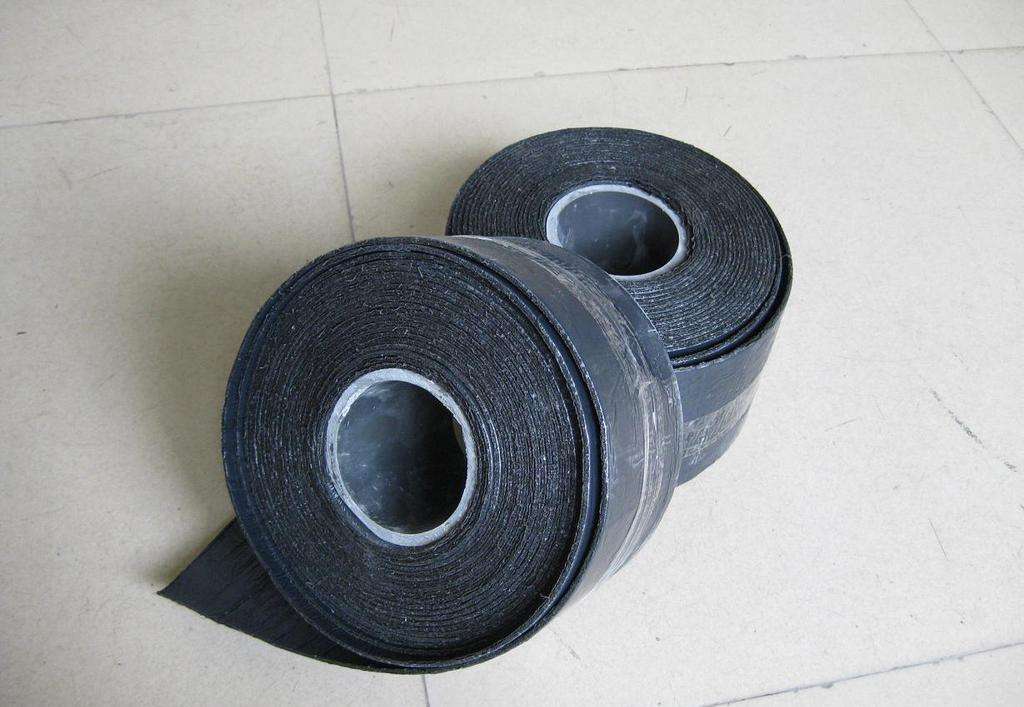
Size:L(2500)*W(20)*H(22) cm
Shipping:express delivery, air freight, sea freight
Specification Number:7000
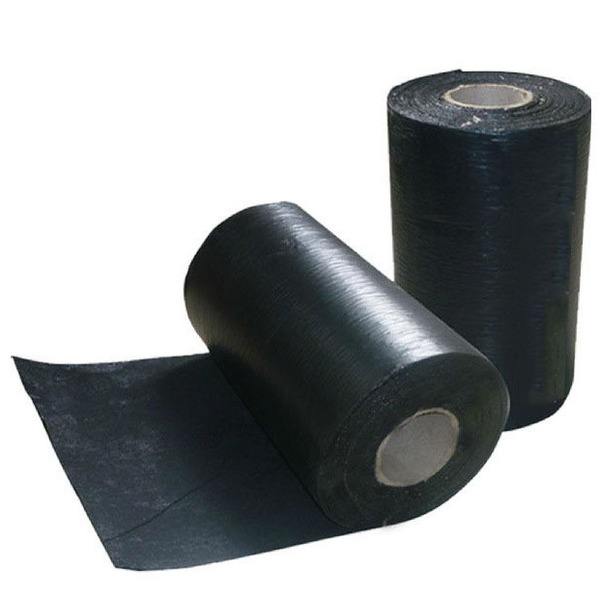
Package Description:In roll
Product Introduction
Road crack-resistant patch
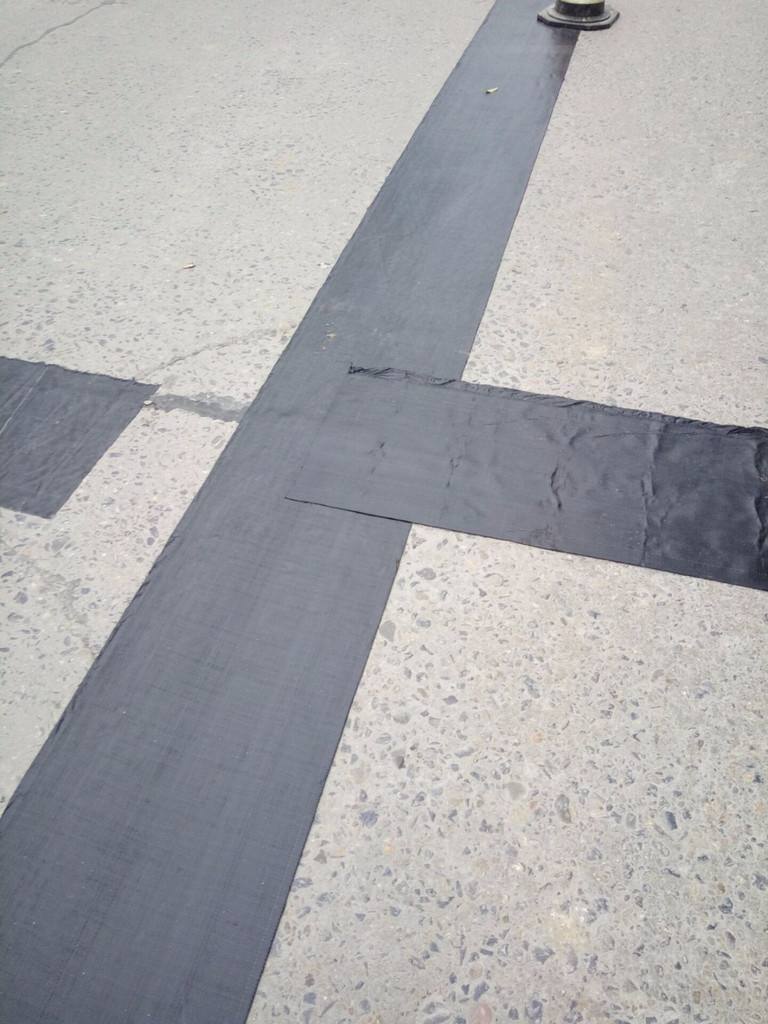
Crack-resistant patches are mainly used in the construction and maintenance projects of pavement base layers for expressways, general roads, and urban roads. It exhibits high tensile strength, excellent toughness, and surface viscosity, making it suitable for pavement subgrades to prevent crack reflection to the surface layer caused by temperature effects and vertical loads.
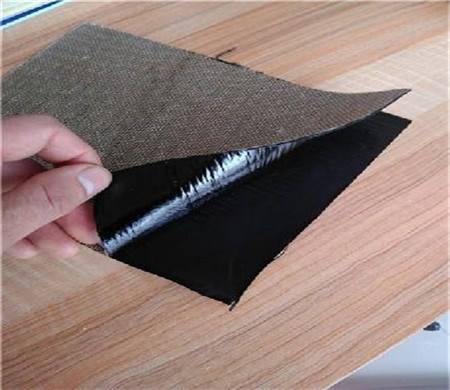
The crack-resistant patch features a rational multi-layer structure (2mm): During hot asphalt mixture paving, the top layer of high-strength heat-resistant fabric prevents thermal deformation, ensuring localized formation of high-strength asphalt mixture structural layers. The upper coating polymer exudes through fabric gaps after thermal melting, achieving excellent adhesion with the asphalt mixture. The lower coating contains sufficient polymer content that fills surface depressions upon melting, enhancing bonding strength with the substrate. The combined stability of the lower coating and substrate base ensures formation of a relatively uniform composite interlayer, meeting crack resistance and waterproofing requirements.
Crack-resistant patches are mainly used in the construction and maintenance projects of pavement base layers for expressways, general roads, and urban roads. It exhibits high tensile strength, excellent toughness, and surface viscosity, making it suitable for pavement subgrades to prevent crack reflection to the surface layer caused by temperature effects and vertical loads.
The crack-resistant patch features a rational multi-layer structure (2mm): During hot asphalt mixture paving, the top layer of high-strength heat-resistant fabric prevents thermal deformation, ensuring localized formation of high-strength asphalt mixture structural layers. The upper coating polymer exudes through fabric gaps after thermal melting, achieving excellent adhesion with the asphalt mixture. The lower coating contains sufficient polymer content that fills surface depressions upon melting, enhancing bonding strength with the substrate. The combined stability of the lower coating and substrate base ensures formation of a relatively uniform composite interlayer, meeting crack resistance and waterproofing requirements.
Function of crack-resistant patch/anti-crack patch:
1. Reinforcement effect
The high-strength, heat-resistant fabric applied to crack-resistant patches exhibits significant tensile strength, effectively resisting tensile stresses at interlayer cracks and limiting crack propagation. This function serves as reinforcement, thereby enhancing the tensile strength of localized structural layers in asphalt pavements.The polymer in crack-resistant membranes is a viscoelastic material with excellent low-temperature toughness. When applied between asphalt pavement layers, it functions as a composite layer that maintains viscoelastic properties even under low temperatures. Tensile stresses at crack locations propagate through this viscoelastic composite layer, gradually dissipating over a wider area to effectively absorb tensile energy.
2. Waterproof and anti-seepage function
The crack-resistant patch is applied on interlayer fracture surfaces to form a complete water barrier and anti-seepage layer, effectively blocking the infiltration pathways of rain and snow water, thereby reducing pavement water damage.
3. Self-adhesive properties
This product features self-adhesive properties, enabling convenient application. After removing the isolation film, it can be directly bonded to crack locations. Using compacting equipment to stabilize pressure ensures stronger adhesion to the pavement surface without displacement, fully meeting the requirements for upper asphalt mixture paving construction.
Applying crack-resistant patches to asphalt concrete surfaces exhibiting cracks or spalling can reduce and isolate the thermal contraction stress exerted on the pavement, thereby decreasing the tendency for crack reflection to penetrate the surface layer. The installation method isolates the base course from the upper wear layer, protecting the surface layer from multidirectional displacement and shear stress. This technique is widely used in highways, bridges, and airports.
The high-strength, heat-resistant fabric applied to crack-resistant patches exhibits significant tensile strength, effectively resisting tensile stresses at interlayer cracks and limiting crack propagation. This function serves as reinforcement, thereby enhancing the tensile strength of localized structural layers in asphalt pavements.The polymer in crack-resistant membranes is a viscoelastic material with excellent low-temperature toughness. When applied between asphalt pavement layers, it functions as a composite layer that maintains viscoelastic properties even under low temperatures. Tensile stresses at crack locations propagate through this viscoelastic composite layer, gradually dissipating over a wider area to effectively absorb tensile energy.
2. Waterproof and anti-seepage function
The crack-resistant patch is applied on interlayer fracture surfaces to form a complete water barrier and anti-seepage layer, effectively blocking the infiltration pathways of rain and snow water, thereby reducing pavement water damage.
3. Self-adhesive properties
This product features self-adhesive properties, enabling convenient application. After removing the isolation film, it can be directly bonded to crack locations. Using compacting equipment to stabilize pressure ensures stronger adhesion to the pavement surface without displacement, fully meeting the requirements for upper asphalt mixture paving construction.
Applying crack-resistant patches to asphalt concrete surfaces exhibiting cracks or spalling can reduce and isolate the thermal contraction stress exerted on the pavement, thereby decreasing the tendency for crack reflection to penetrate the surface layer. The installation method isolates the base course from the upper wear layer, protecting the surface layer from multidirectional displacement and shear stress. This technique is widely used in highways, bridges, and airports.
