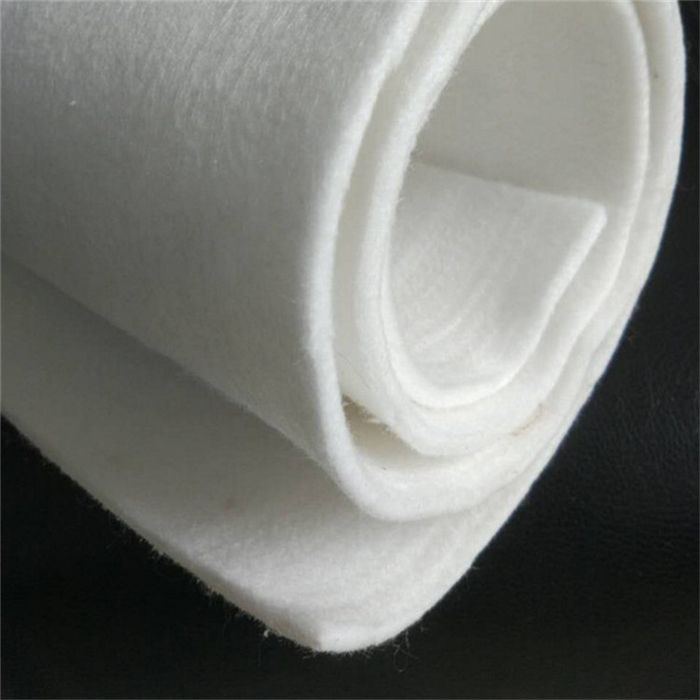
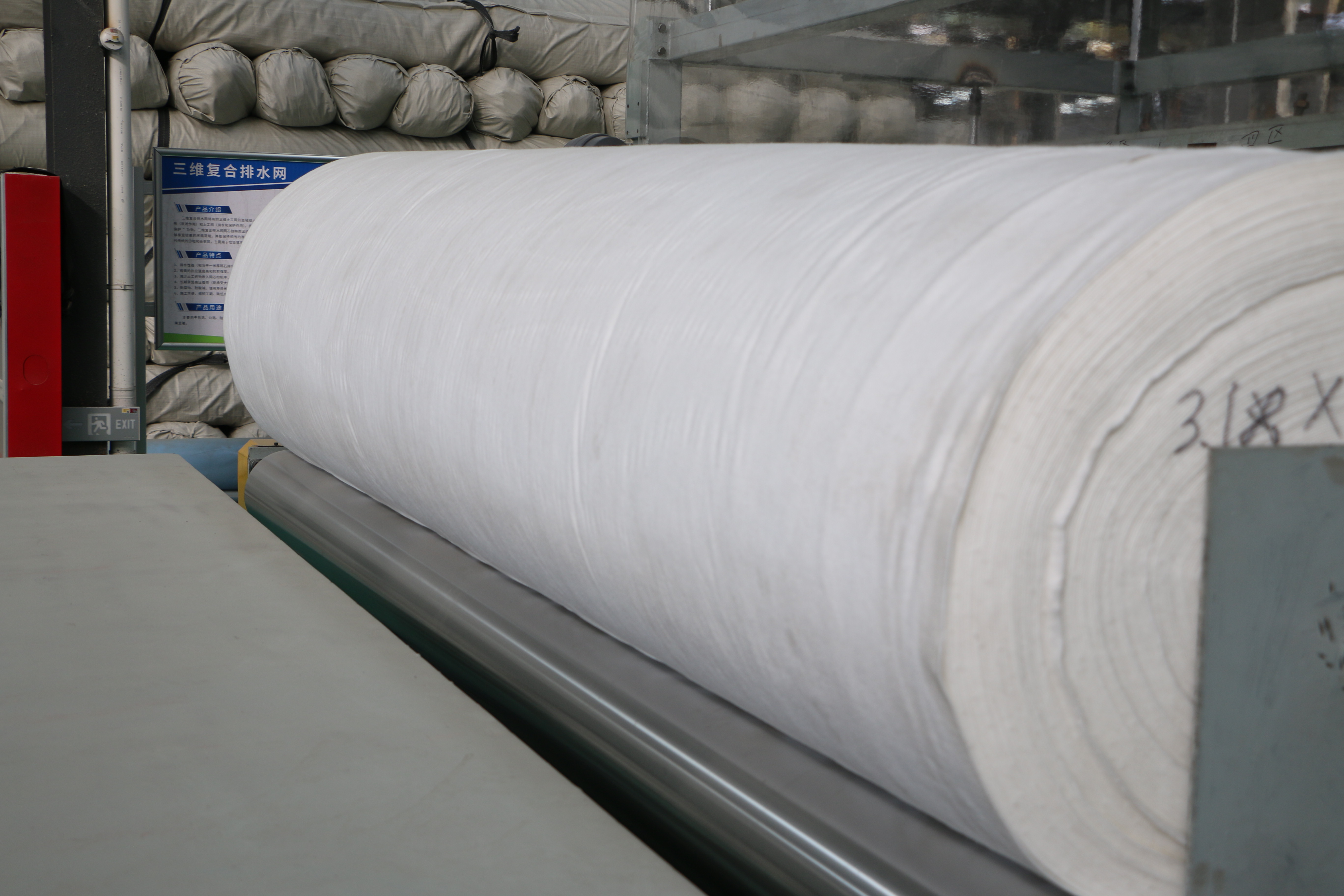
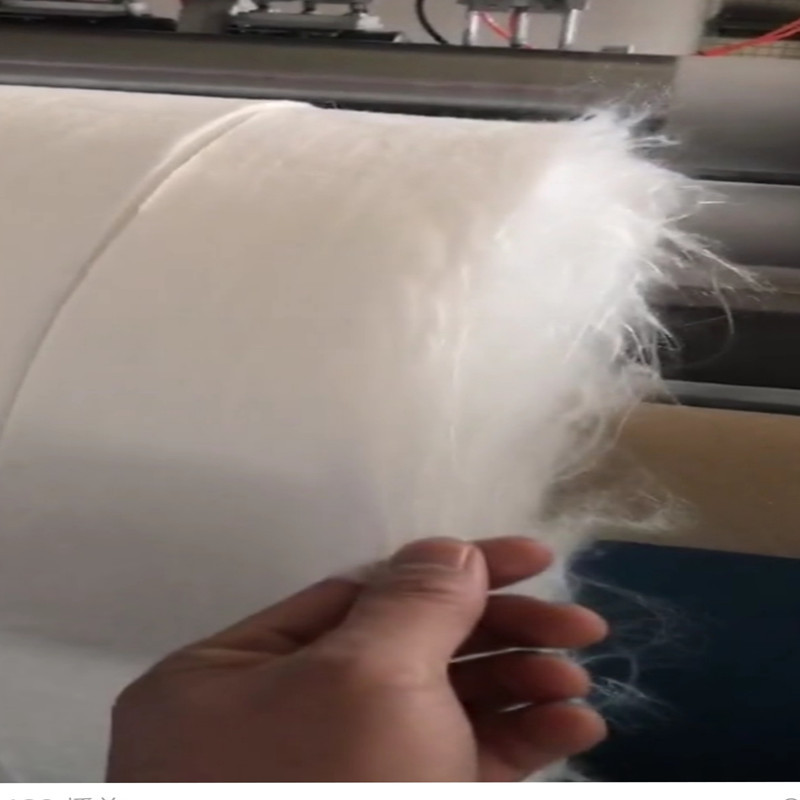
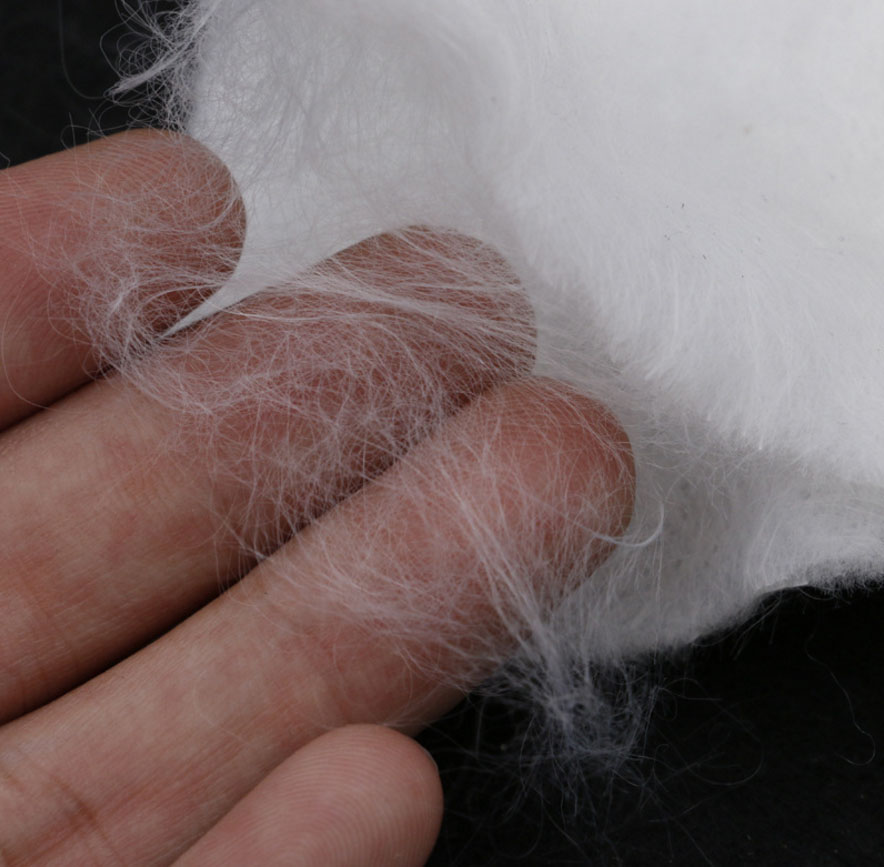
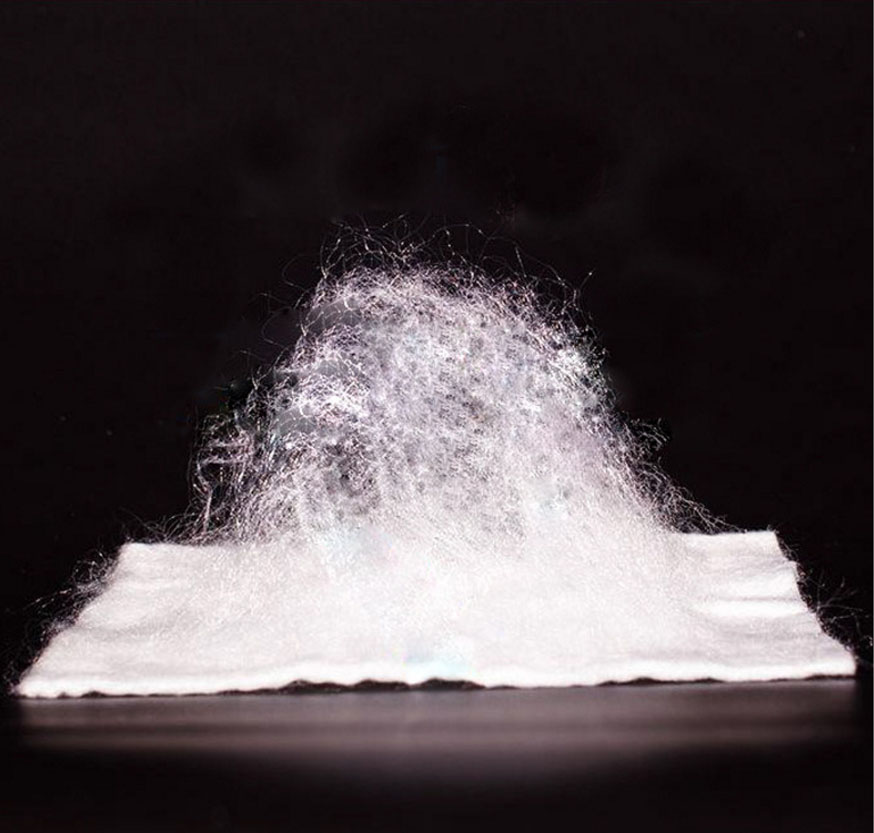

Polyester filament geotextiles are directly manufactured through spinning, needle-punching, and consolidation using polyester methods. Available in specifications ranging from 80 to 800 g/m², this product serves as a geosynthetic material widely applied in geotechnical and civil engineering. It is produced by weaving polyester filaments into a web and consolidating the structure, resulting in a three-dimensional fiber arrangement. In addition to excellent mechanical properties, it also exhibits superior longitudinal and transverse drainage performance, good elongation properties, and high chemical stability including resistance to biological degradation, acid/alkali exposure, and aging. It also exhibits a wide pore size range, tortuous pore distribution, and excellent permeability and filtration performance.
Features: High strength and excellent puncture resistance; acid/alkali resistance, corrosion resistance, antimicrobial properties, and aging resistance; superior permeability, filtration capacity, and soil retention, providing isolation, drainage filtration, and protective functions; low cost, competitive pricing, simple installation, and user-friendly operation.
Applications: Reverse filtration for hydraulic engineering embankments and slope protection; channel isolation and seepage prevention; foundation isolation, reverse filtration, drainage systems, earth slopes, retaining walls, and pavement reinforcement/drainage for highways, railways, and airport runways; soft foundation treatment in port engineering, beach revetment construction, and reinforcement/drainage of seaport wharves and slope protection embankments. Polyester filament geotextiles have been widely adopted in infrastructure construction and are progressively expanding into broader applications.
