
Essential details
Quantity(pieces):1
MOQ:2000
Size:L(10000)*W(40)*H(0.2) cm
Shipping:Express delivery, air freight, sea freight
Specification Number:2005
Product Introduction
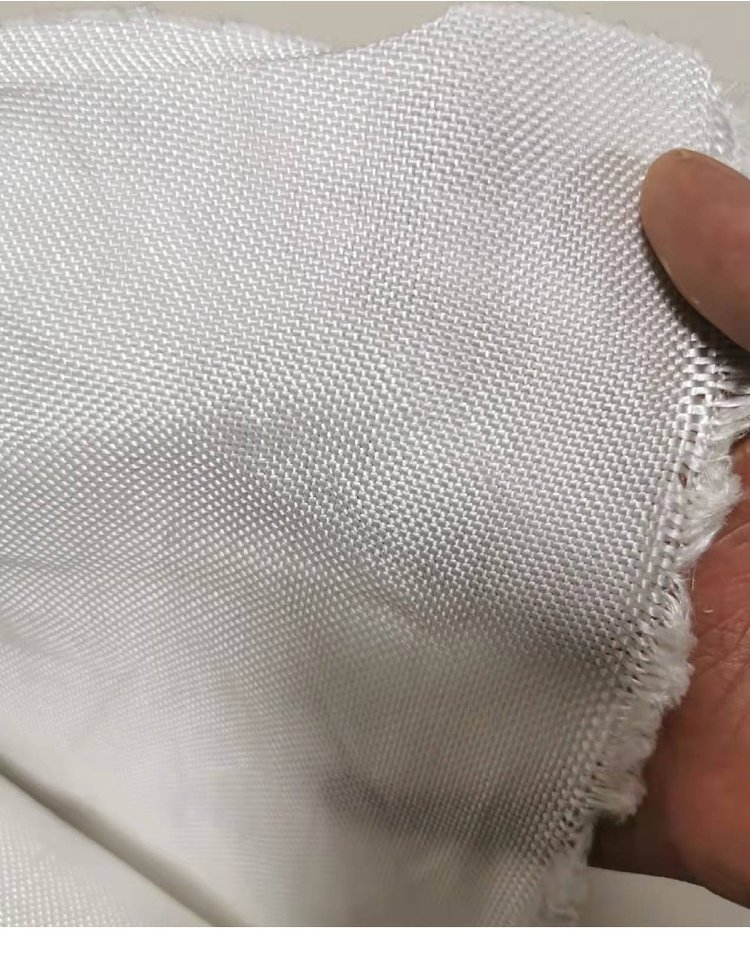
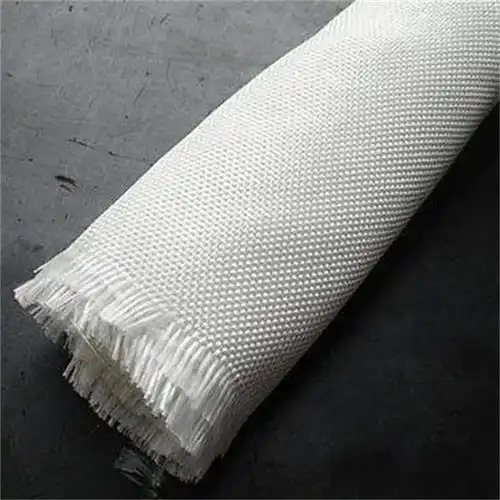
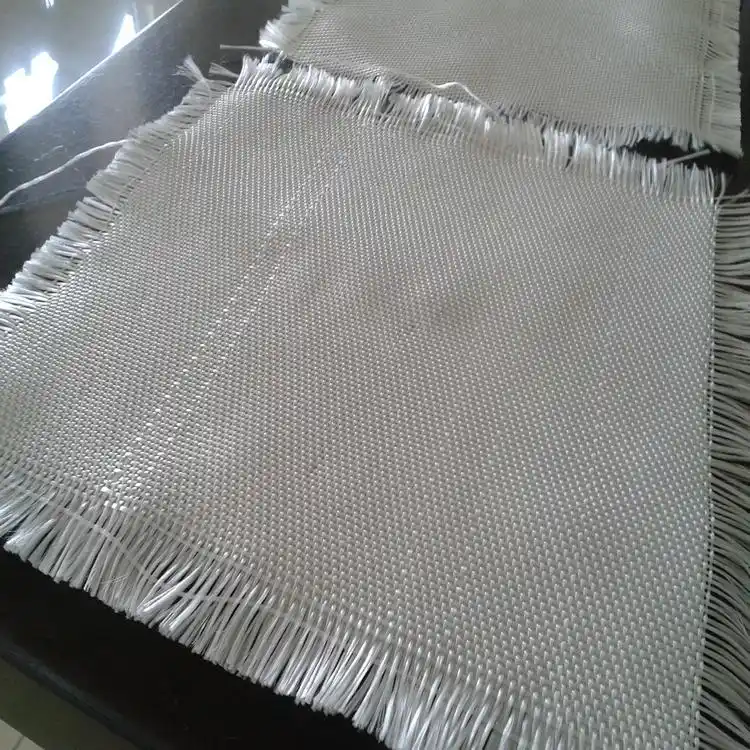
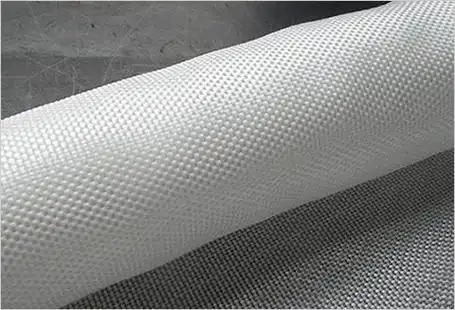
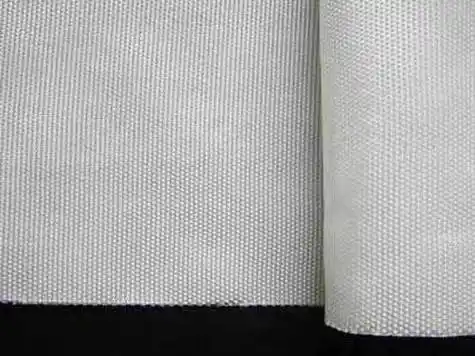
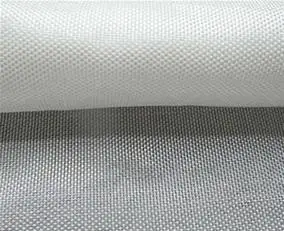
Long filament woven geotextile is a geosynthetic material fabricated from synthetic fiber filaments such as polyamide (PA), polyester, and cotton fiber, produced via melt spinning or solution spinning methods, followed by weaving processes. According to their applications, they can be classified into filter cloths, composite base fabrics, bag filter cloths, and mold bag cloths. These materials are formed by interlaced structures to create continuous filament fabrics, exhibiting high tensile strength, tear resistance, and puncture resistance. Their puncture and puncture resistance strength can exceed 2200 Newtons, with high friction coefficients and chemical corrosion resistance.
Characteristic
1. Exhibits high mechanical strength, including tensile resistance, tear resistance, top-breaking resistance, and puncture resistance. Its top-breaking and puncture resistance strength can exceed 2200 Newtons, which helps mitigate the impact of irregular rocks in engineering applications such as rockfill slope protection.
2. Possesses excellent extensional properties, facilitating stress dispersion and transfer.
3. A higher friction coefficient enhances stability during construction.
4. Exhibits chemical corrosion resistance.
5. Corrosion resistance.
Application
(1) Used as reinforcement in retaining wall backfilling or as a panel for anchoring retaining walls. Construct an enclosed retaining wall or abutment.
(2) Reinforce flexible pavements, repair cracks on the road surface, and prevent reflective cracks.
(3) Enhance the stability of rockfill slopes and reinforced soil to prevent soil erosion and frost damage to soil masses under low temperatures.
(4) The isolation layer between ballast and subgrade, or between subgrade and soft foundation.
(5) Isolation layer between artificial fill, rockfill or material stockpile and foundation, isolation between different frozen soil layers, as well as filtration and reinforcement effects.
(6) The filter layer on the initial upstream dam face of an ash storage dam or tailings dam, and the filter layer in the backfill soil of retaining walls for drainage systems.
(7) Filter layer surrounding the drainage culvert or gravel drainage ditch.
(8) Filter layer in wells, depressurization wells, or inclined pressure pipes within hydraulic engineering projects.
(9) Geotextile isolation layer between highways, airports, railway ballast, and artificial rockfill and the foundation.
(10) Vertical or horizontal drainage within the earth dam, with pore water pressure dissipated by being embedded in the soil mass.
(11) Drainage behind the impermeable geomembrane or beneath the lower portion of the concrete lining in earth dams or earth embankments.
(12) Eliminate seepage around the tunnel to reduce external water pressure on the lining and mitigate seepage around surrounding structures.
(13) Drainage of manually filled foundation movement sites.
(14) Used to reinforce weak foundations in engineering projects such as highways (including temporary roads), railways, embankments, earth-rock dams, airports, and sports fields.
1. Exhibits high mechanical strength, including tensile resistance, tear resistance, top-breaking resistance, and puncture resistance. Its top-breaking and puncture resistance strength can exceed 2200 Newtons, which helps mitigate the impact of irregular rocks in engineering applications such as rockfill slope protection.
2. Possesses excellent extensional properties, facilitating stress dispersion and transfer.
3. A higher friction coefficient enhances stability during construction.
4. Exhibits chemical corrosion resistance.
5. Corrosion resistance.
Application
(1) Used as reinforcement in retaining wall backfilling or as a panel for anchoring retaining walls. Construct an enclosed retaining wall or abutment.
(2) Reinforce flexible pavements, repair cracks on the road surface, and prevent reflective cracks.
(3) Enhance the stability of rockfill slopes and reinforced soil to prevent soil erosion and frost damage to soil masses under low temperatures.
(4) The isolation layer between ballast and subgrade, or between subgrade and soft foundation.
(5) Isolation layer between artificial fill, rockfill or material stockpile and foundation, isolation between different frozen soil layers, as well as filtration and reinforcement effects.
(6) The filter layer on the initial upstream dam face of an ash storage dam or tailings dam, and the filter layer in the backfill soil of retaining walls for drainage systems.
(7) Filter layer surrounding the drainage culvert or gravel drainage ditch.
(8) Filter layer in wells, depressurization wells, or inclined pressure pipes within hydraulic engineering projects.
(9) Geotextile isolation layer between highways, airports, railway ballast, and artificial rockfill and the foundation.
(10) Vertical or horizontal drainage within the earth dam, with pore water pressure dissipated by being embedded in the soil mass.
(11) Drainage behind the impermeable geomembrane or beneath the lower portion of the concrete lining in earth dams or earth embankments.
(12) Eliminate seepage around the tunnel to reduce external water pressure on the lining and mitigate seepage around surrounding structures.
(13) Drainage of manually filled foundation movement sites.
(14) Used to reinforce weak foundations in engineering projects such as highways (including temporary roads), railways, embankments, earth-rock dams, airports, and sports fields.
