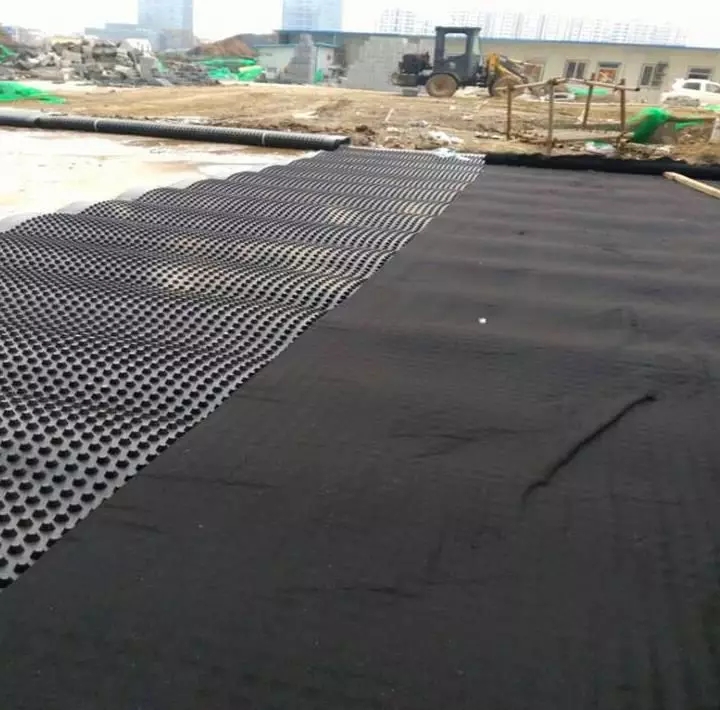

Draining Board
PProduct Presentation :
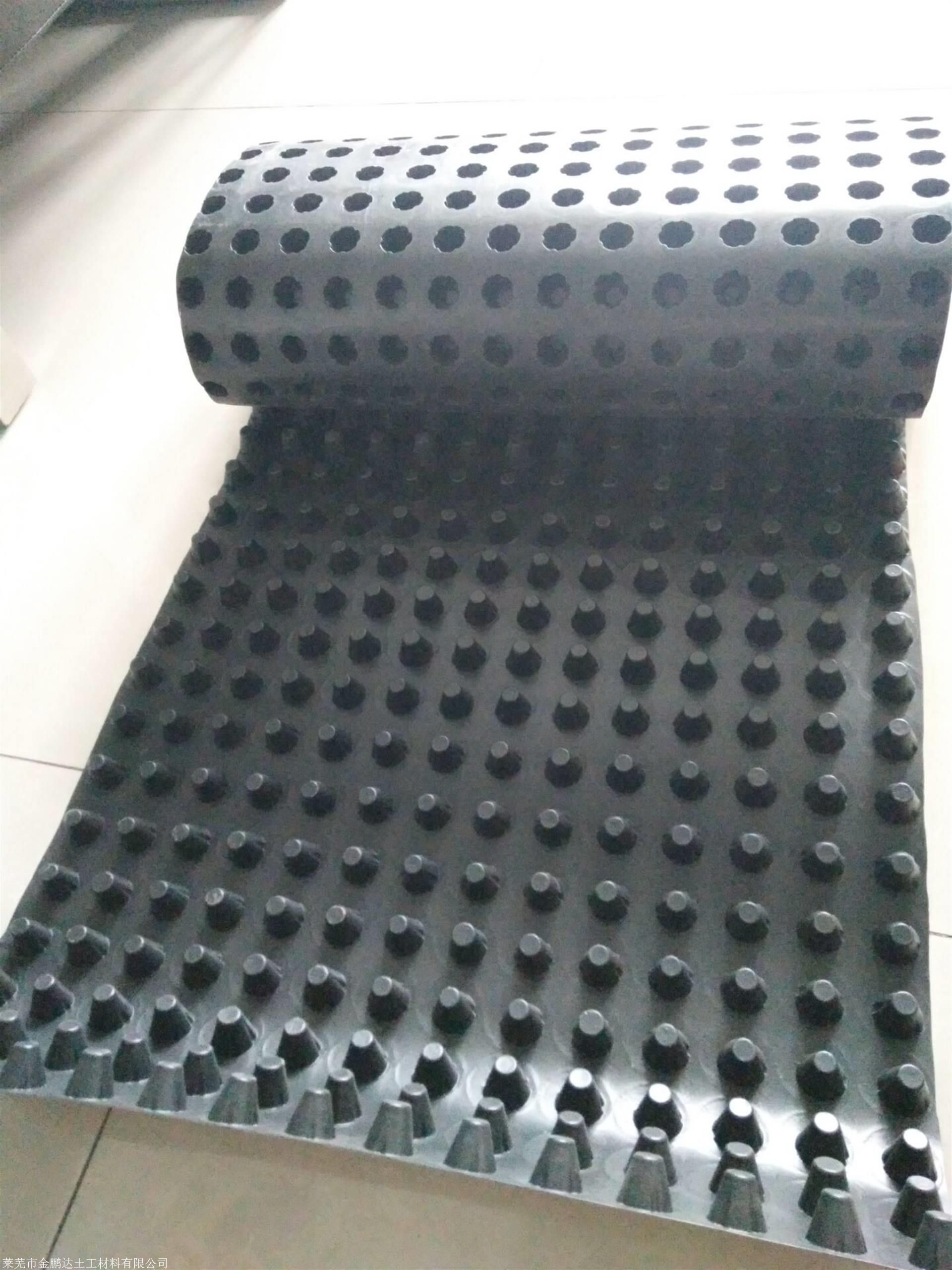
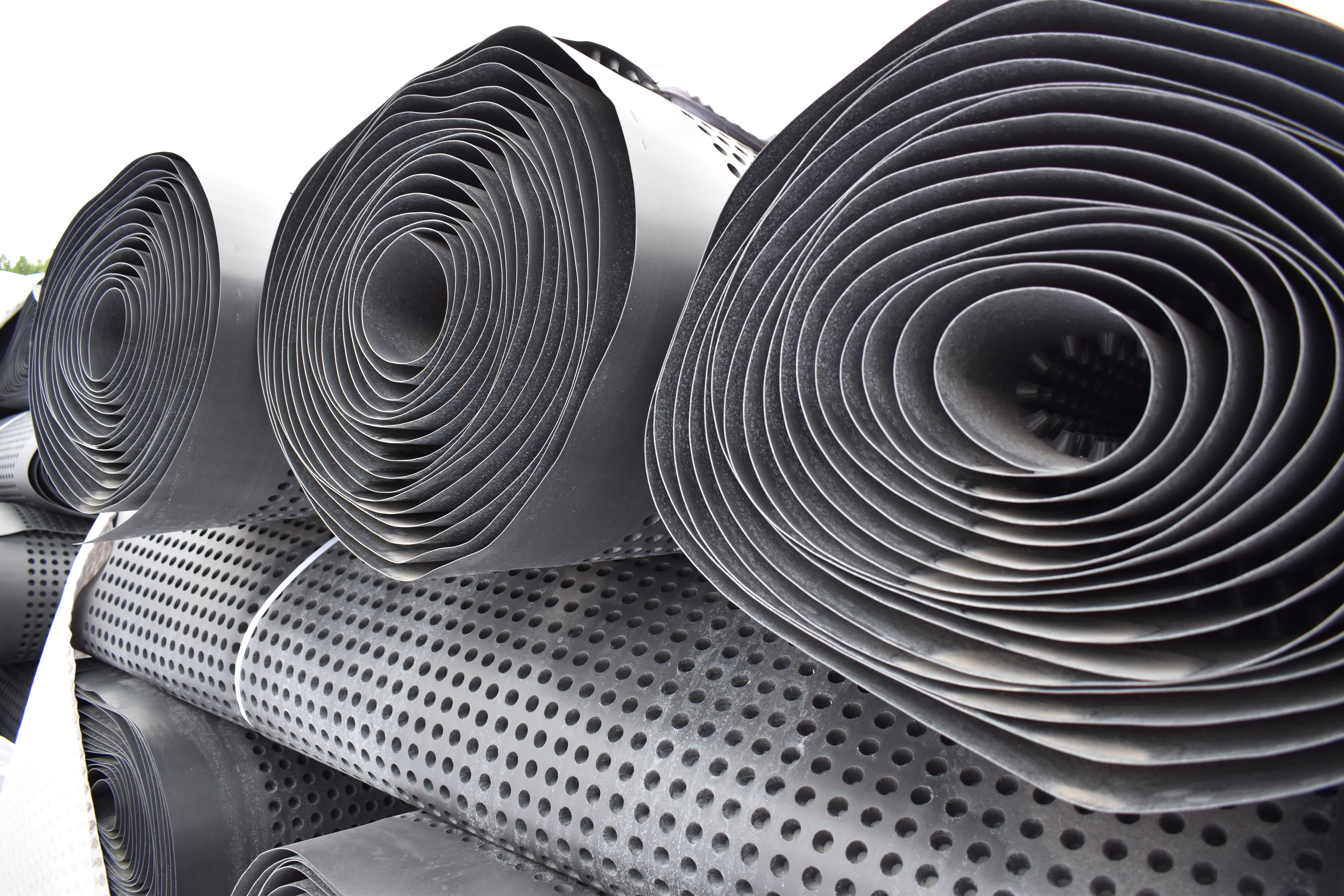
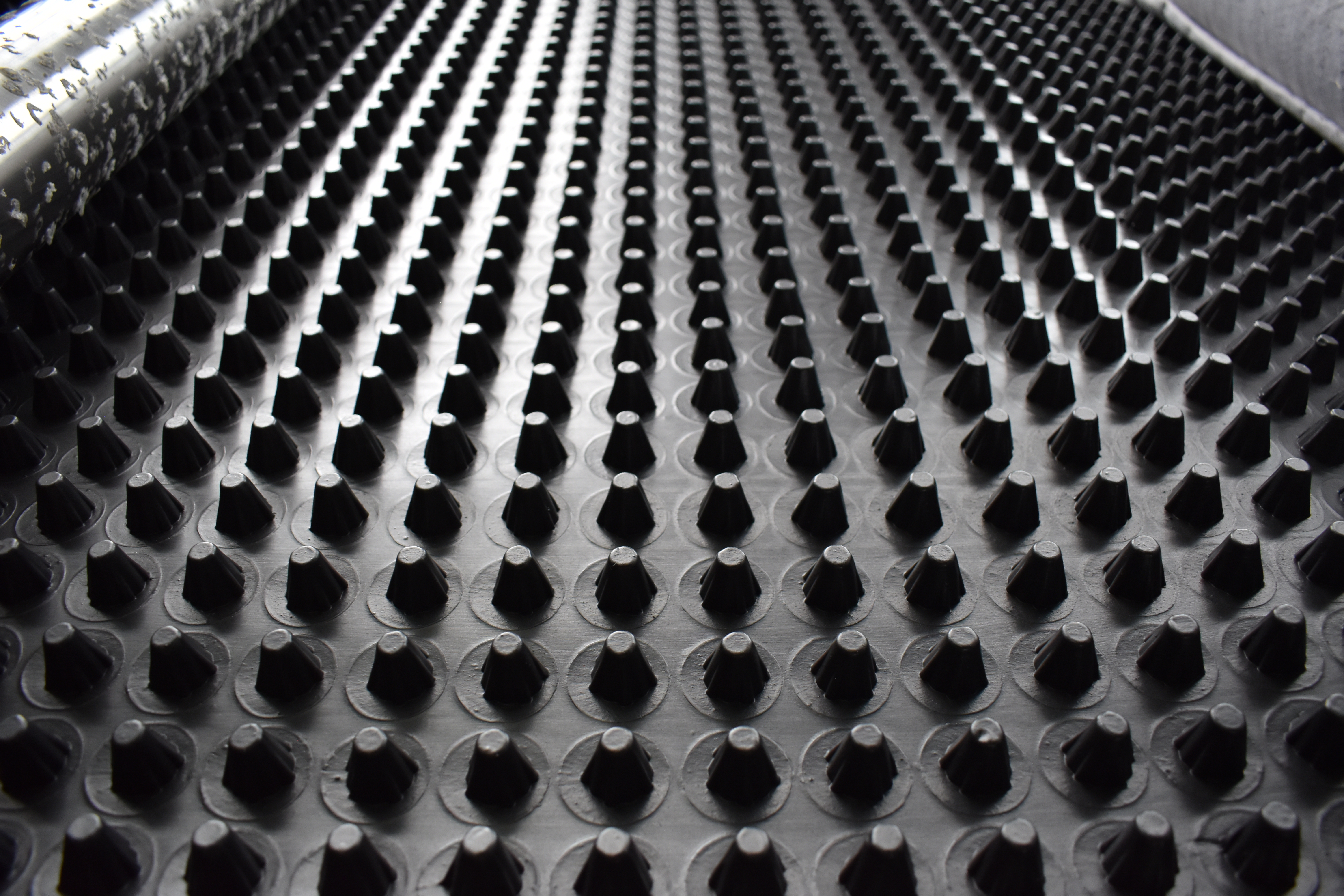
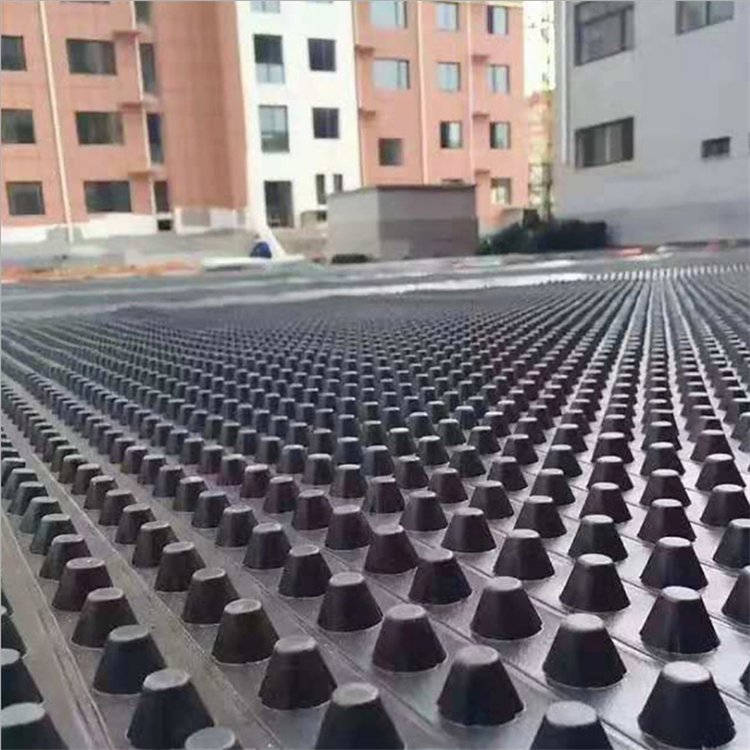
The base plate of the PSD10 (103) professional drainage panel is constructed from high-impact and high-compression polyethylene inert styrene (HIPS). Capable of withstanding prolonged high pressure without deformation. This long-term compressive strength not only withstands the weight and load of the concrete slab but also resists inevitable external pressures and impacts during construction, such as vehicle traffic, worker foot traffic, and concrete pouring forces. The bottom plate remains undistorted over the long term, thus preserving the original displacement. The purpose of the filter layer geotextile on the base plate is to ensure that drainage channels are not blocked by foreign objects, such as backfill soil particles or concrete. The PSD10 (103) drainage plate outperforms traditional stone materials, ceramic particle drainage systems, and other filtration layers in both drainage functionality and economic efficiency, demonstrating superior reliability. Suitable for retaining walls, basements, tunnels, slopes, flower beds, platforms, etc. The PSD10 (103) drainage slab features drainage functionality and is widely used in retaining walls, basements, tunnels, slope protection, and highway subgrades.
Installation Procedure:
1. Clear debris from the construction site, level the cement surface to eliminate visible unevenness, and ensure a slope of 2-5‰ for the outdoor garage roof and rooftop garden.
2. Roof greening and outdoor garage roof greening can be equipped with porous drainage pipes, which allows the water discharged from drainage boards to be collected into nearby downpipes or urban sewer systems.
3. Seepage prevention for basement floors involves constructing an elevated floor slab on the foundation. Prior to floor installation, a drainage board layer is applied with downward protruding edges and peripheral blind drains to prevent groundwater infiltration. Seepage is naturally directed through the drainage board's voids into the peripheral blind drains, subsequently flowing into the collective pit via these channels.
4. To prevent seepage in basement interior walls, drainage boards can be installed on the main wall surface of the building, with the circular protruding platform facing the main wall. An additional layer of single wall or steel mesh cement protection can be constructed outside the drainage board to ensure that water seeping from the exterior of the wall flows directly downward into the blind ditch and ultimately into the collection pit.
5. When installing drainage boards in any location, it is essential to ensure that debris such as soil, cement, and yellow sand do not enter the front space of the drainage board, thereby maintaining unobstructed drainage capacity.
6. Protective measures should be implemented as much as possible during the installation of drainage boards. For floor-level or outdoor garage drainage boards, backfilling work should be promptly completed to prevent wind-induced displacement that may compromise installation quality. Protective layers must be applied immediately for basement and interior wall waterproofing to prevent damage to drainage boards caused by human or material interference.
7. The backfill soil is cohesive soil, and it is ideal to lay 3-5 cm of yellow sand over the geotextile to facilitate water filtration by the geotextile. If the backfill soil is nutrient-rich soil or lightweight soil, no additional layer of yellow sand is required, as such soils are inherently loose and prone to water filtration.
8. During installation of drainage boards, overlap the edges with 1-2 support points, or align two base plates and use geotextile for overlapping above. Ensure no soil enters the drainage board channels to maintain unobstructed drainage flow.
