
Essential details
Quantity(pieces):1
MOQ:100
Size:L(10000)*W(60)*H(50) cm
Shipping:Express delivery, Air freight, Sea freight
Specification Number:6003
Product Introduction
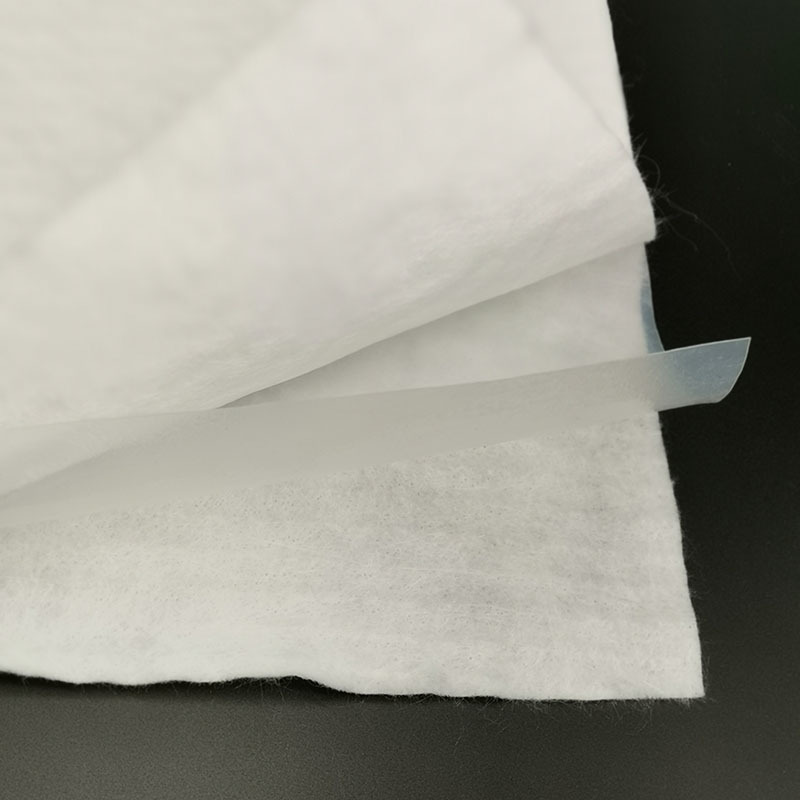
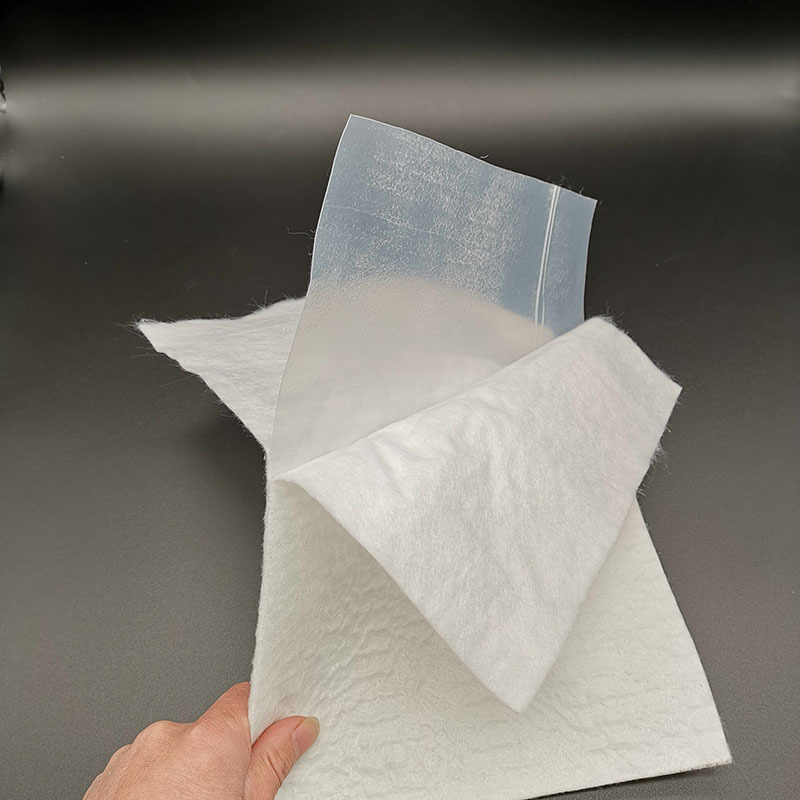
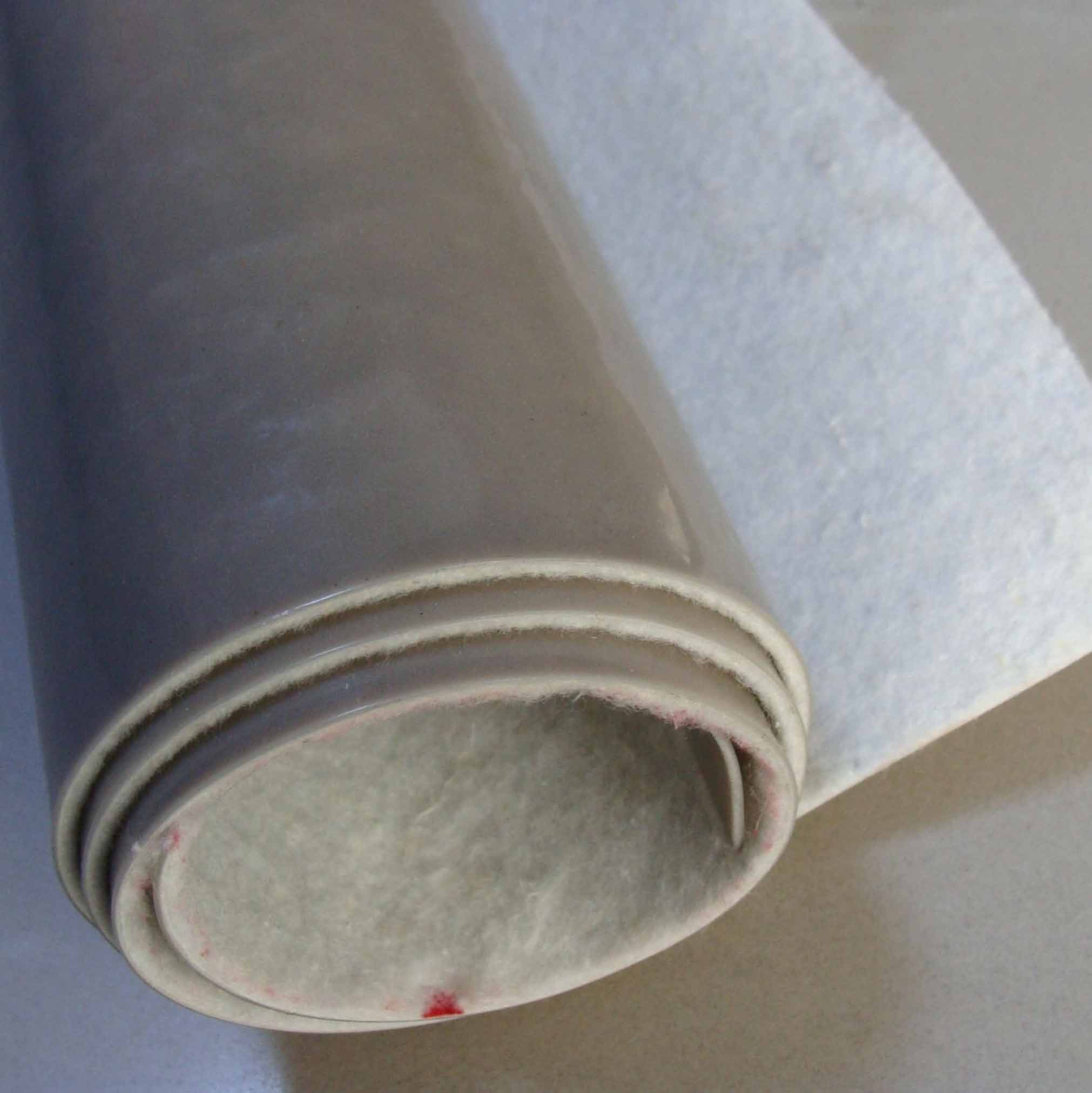
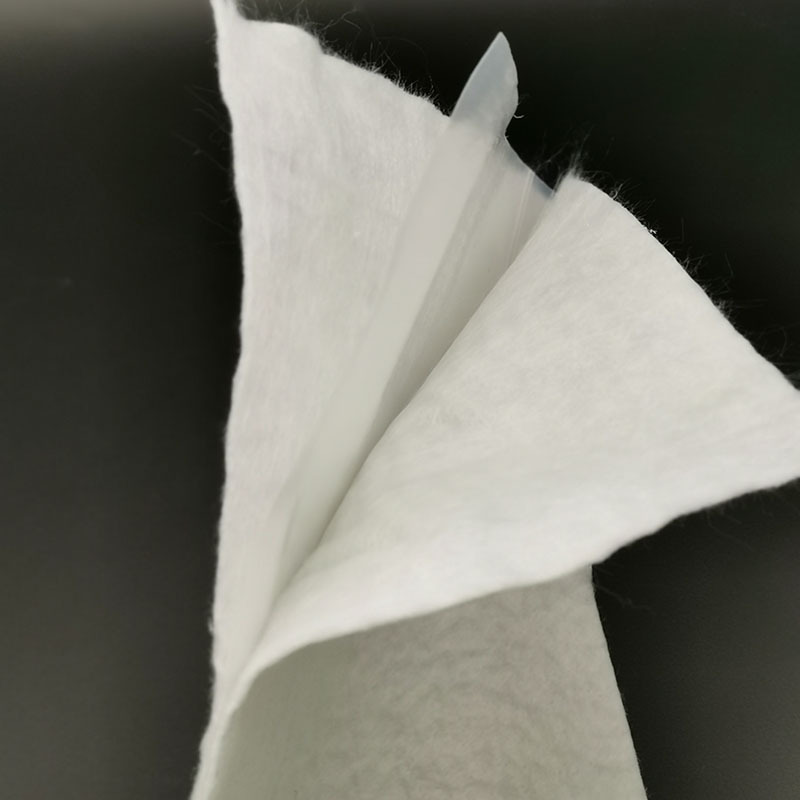
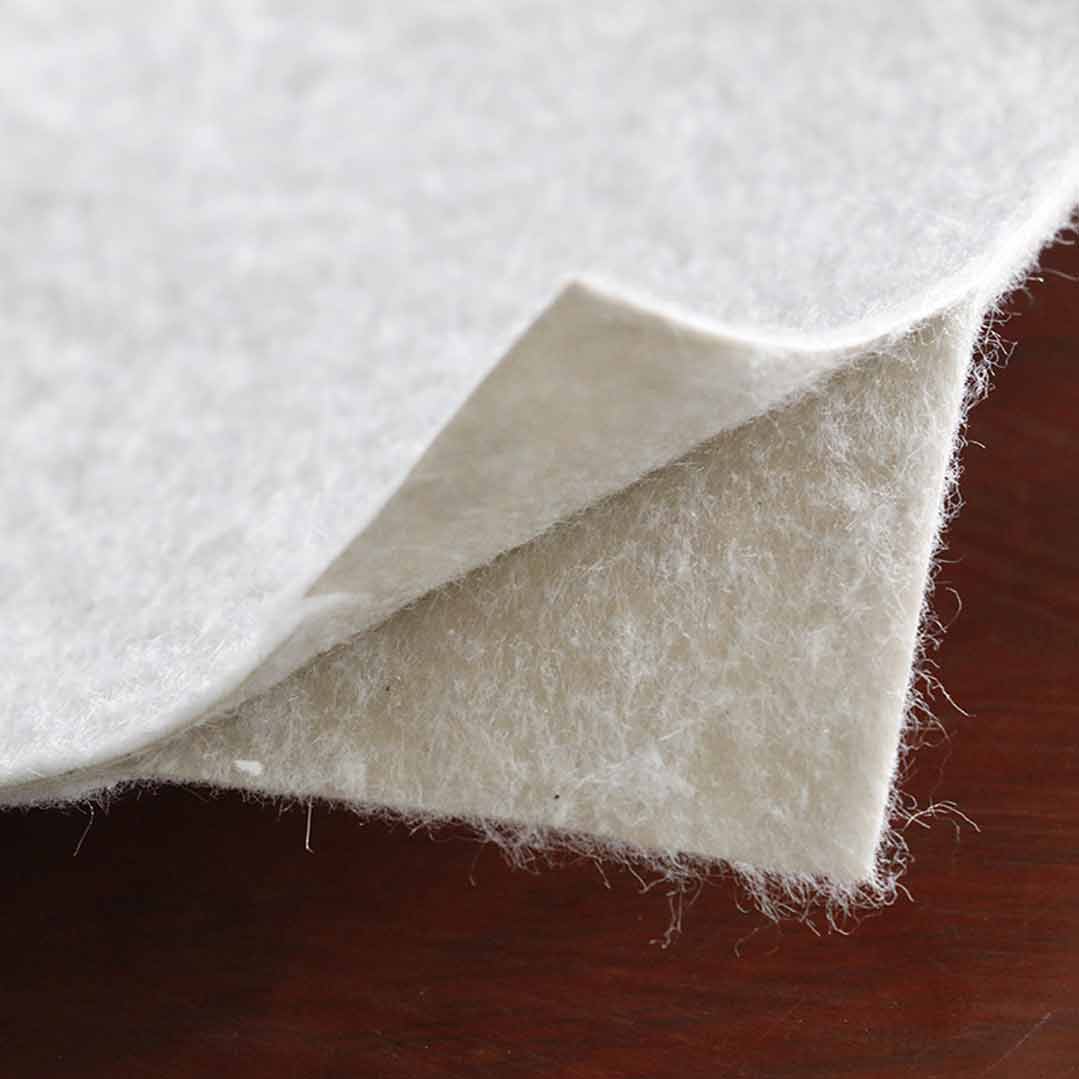
Composite geomembranes (composite impermeable membranes) are categorized into single-layer fabric-membrane and double-layer fabric-membrane configurations, with a width of 4-6 meters and a weight of 200-1500 g/m². They exhibit high physical and mechanical performance indicators, including tensile strength, tear resistance, and puncture resistance.
Product features of composite geomembrane (composite impermeable membrane):
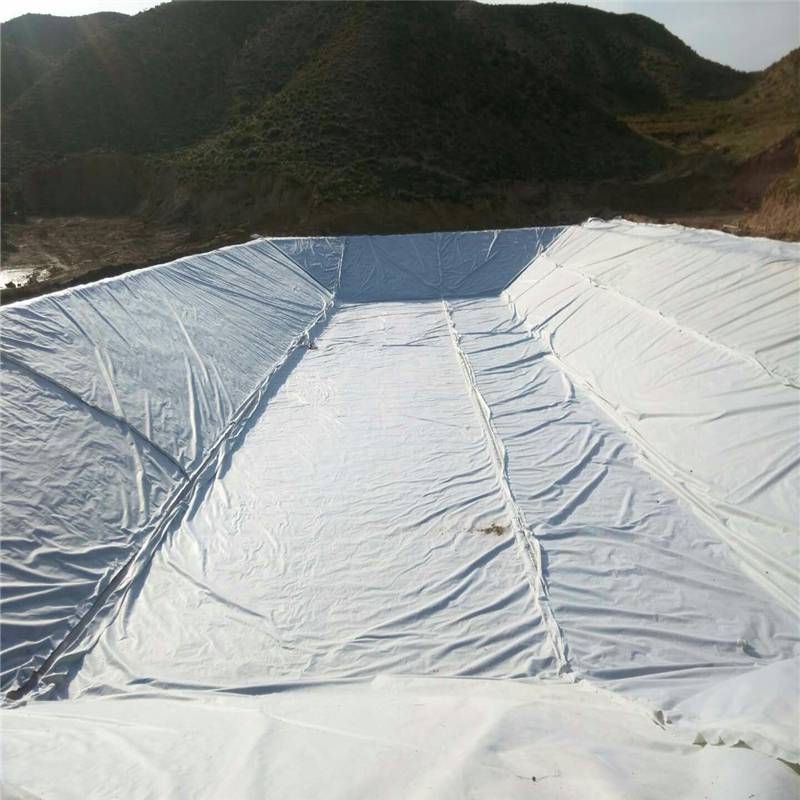
The product features high strength, excellent elongation properties, large deformation modulus, acid and alkali resistance, corrosion resistance, aging resistance, and superior anti-seepage performance. It can meet the civil engineering requirements such as seepage prevention, isolation, reinforcement, and crack prevention reinforcement in water conservancy, municipal engineering, construction, transportation, subway, tunnel, and engineering projects. Due to the use of polymer materials and the addition of anti-aging agents in the manufacturing process, it can be used in unconventional temperature environments. It is commonly used for seepage prevention treatment of dams and drainage ditches, as well as for pollution control treatment of waste disposal sites.
Composite geotextile membrane (composite impermeable membrane) product applications:
Geotechnical dams, rockfill dams, masonry dams, and roller-compacted concrete dams; horizontal impermeable coverings for embankments and dam fronts, along with vertical impermeable layers in foundations; tailing dams, sewage reservoir dams, and reservoir areas; construction cofferdams; channels and liquid storage tanks (pits or pits); waste material yards; impermeable linings for subways, basements, tunnels, and tunnels; roadbeds for highways, expressways, and railways; saltwater prevention measures for roadbeds and other foundations; waterproof layers for expansive soils and collapsible loess; roof leak prevention systems.
Product features of composite geomembrane (composite impermeable membrane):
The product features high strength, excellent elongation properties, large deformation modulus, acid and alkali resistance, corrosion resistance, aging resistance, and superior anti-seepage performance. It can meet the civil engineering requirements such as seepage prevention, isolation, reinforcement, and crack prevention reinforcement in water conservancy, municipal engineering, construction, transportation, subway, tunnel, and engineering projects. Due to the use of polymer materials and the addition of anti-aging agents in the manufacturing process, it can be used in unconventional temperature environments. It is commonly used for seepage prevention treatment of dams and drainage ditches, as well as for pollution control treatment of waste disposal sites.
Composite geotextile membrane (composite impermeable membrane) product applications:
Geotechnical dams, rockfill dams, masonry dams, and roller-compacted concrete dams; horizontal impermeable coverings for embankments and dam fronts, along with vertical impermeable layers in foundations; tailing dams, sewage reservoir dams, and reservoir areas; construction cofferdams; channels and liquid storage tanks (pits or pits); waste material yards; impermeable linings for subways, basements, tunnels, and tunnels; roadbeds for highways, expressways, and railways; saltwater prevention measures for roadbeds and other foundations; waterproof layers for expansive soils and collapsible loess; roof leak prevention systems.
