
Essential details
MOQ:1000
Shipping:Express delivery, air freight, sea freight
Specification Number:1001
Product Introduction
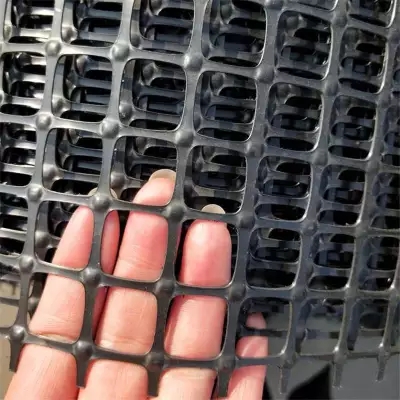
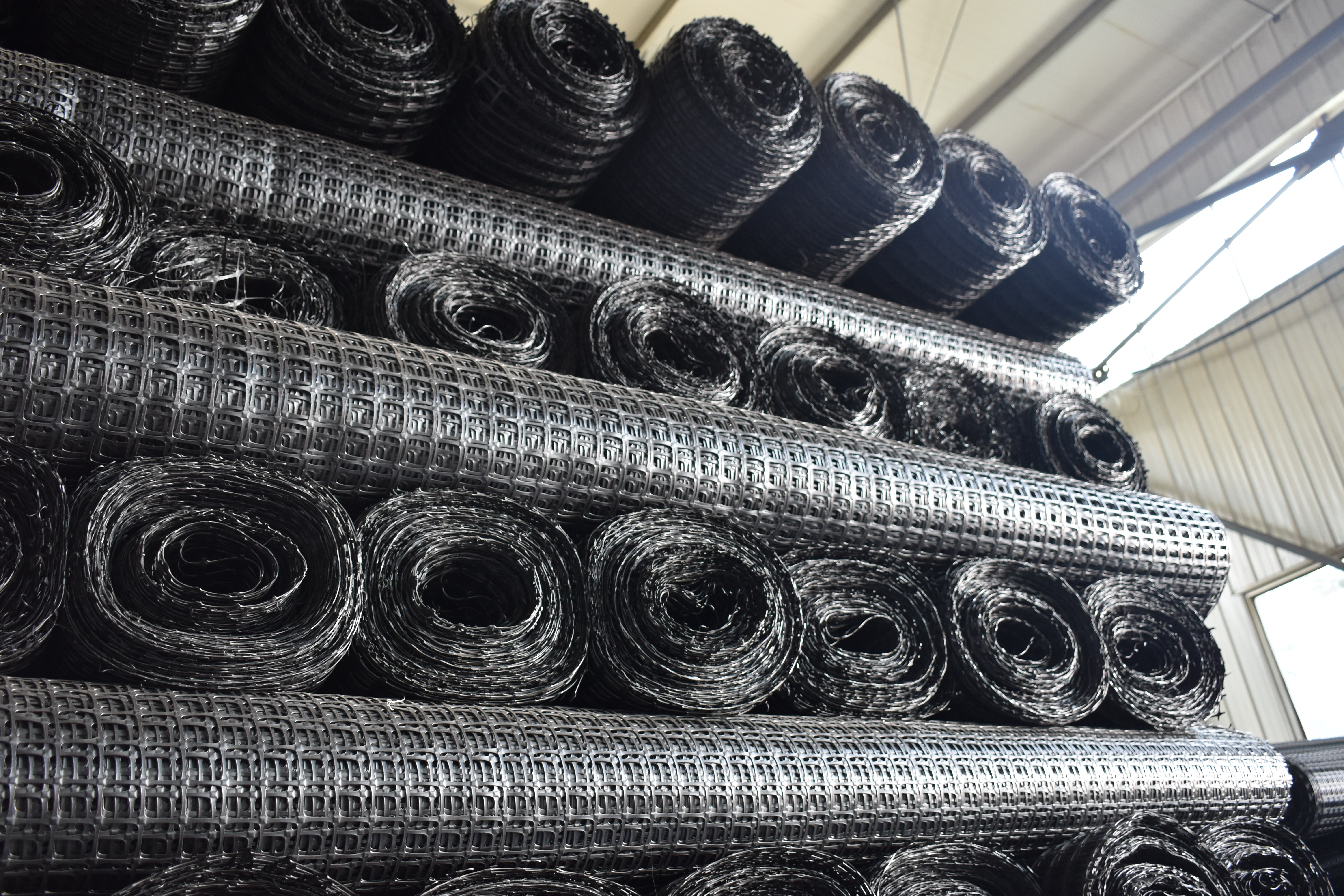
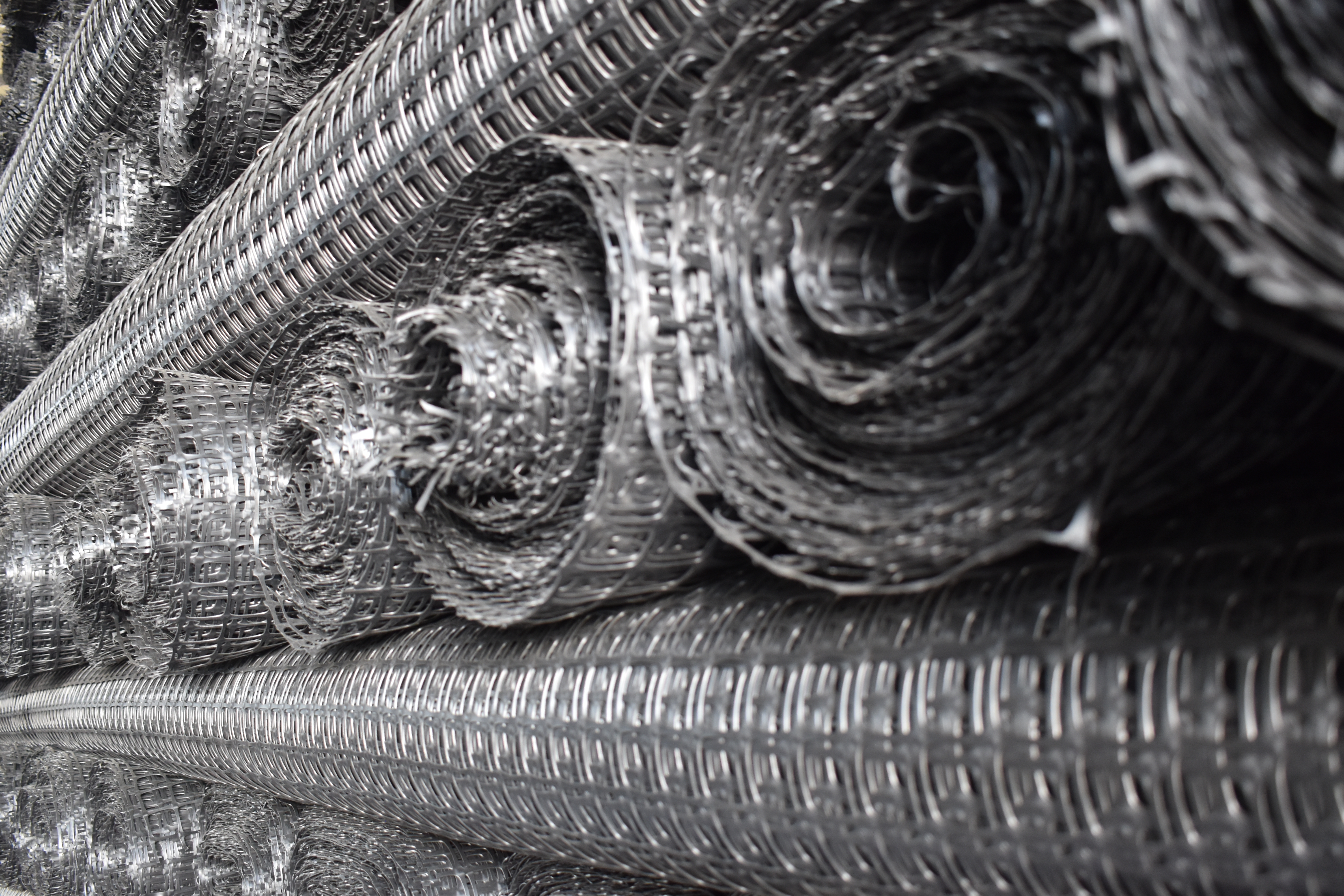
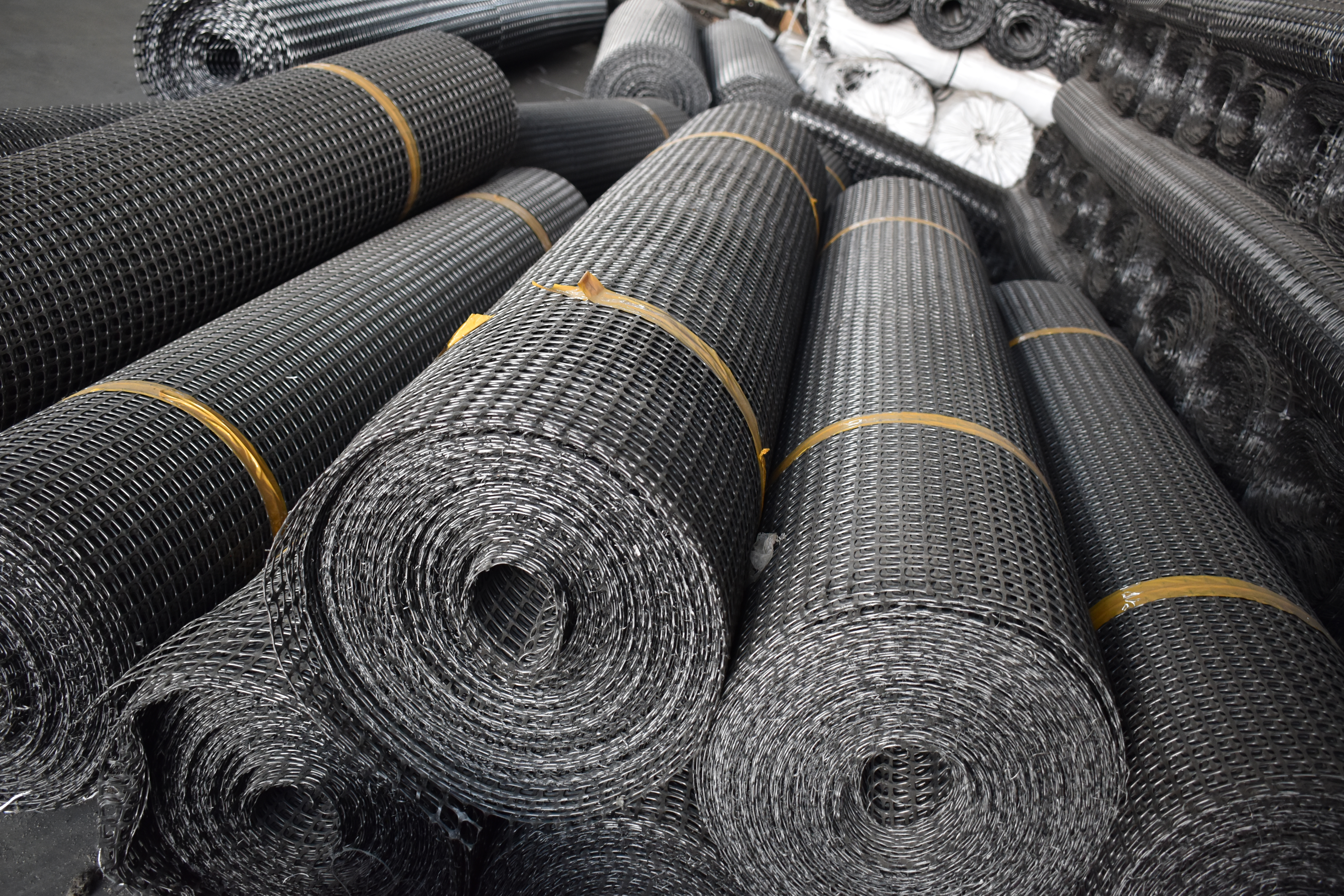
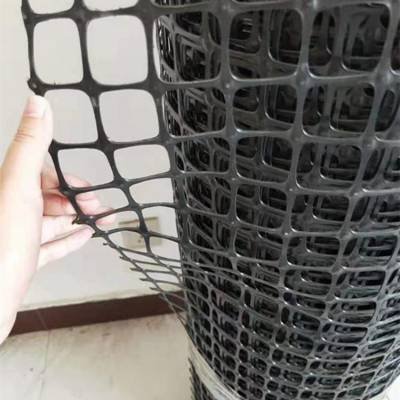
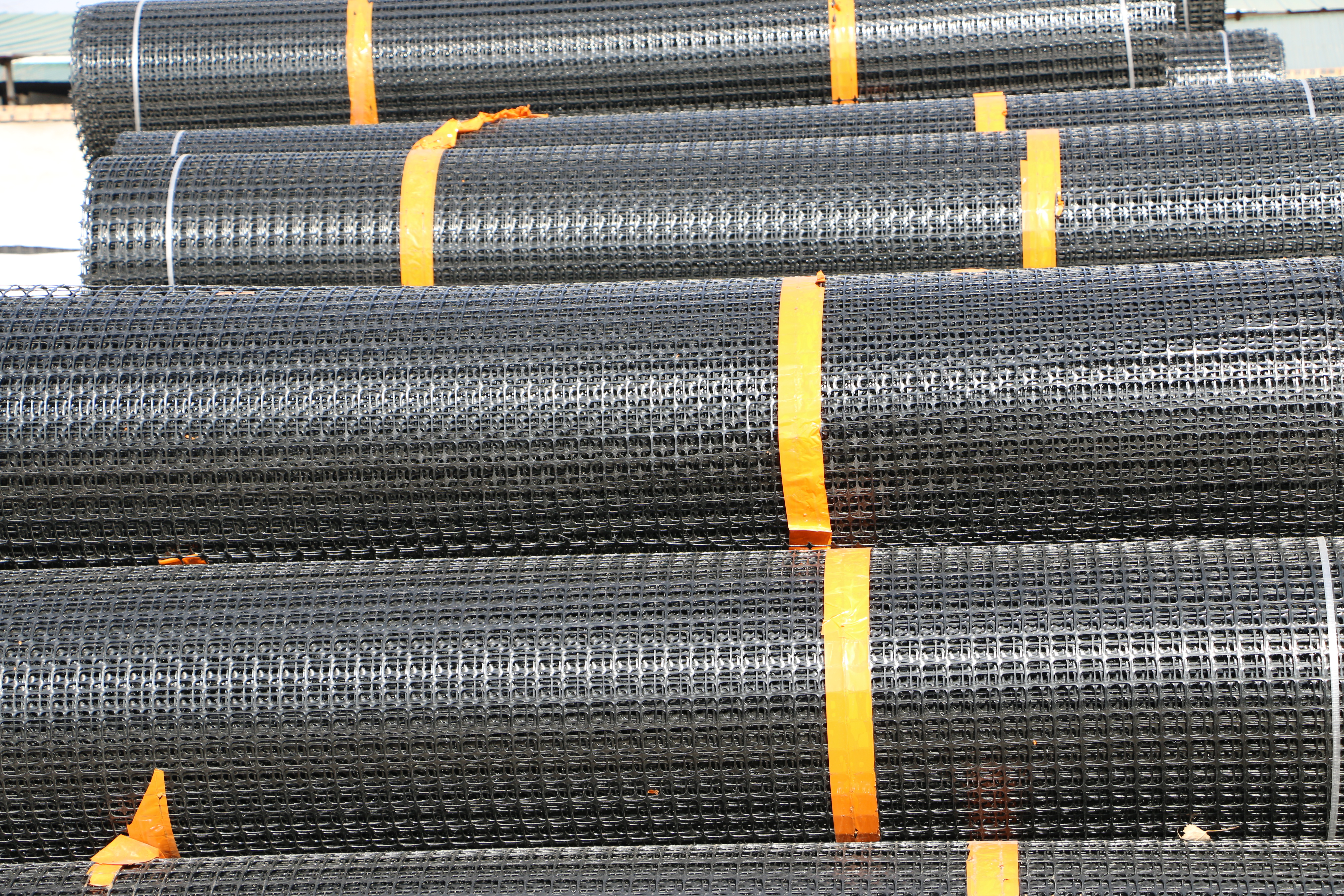
The appearance of bidirectional stretch plastic geogrid resembles a square network structure. It is a high-strength geosynthetic material primarily made from polypropylene, formed through extrusion followed by longitudinal and transverse stretching. This material exhibits high tensile strength in both longitudinal and transverse directions, making it widely applicable for reinforcement treatment of soft foundations.
Application area:
1. Suitable for subgrade reinforcement and pavement strengthening in various highways, railways, and airports.
2. Suitable for foundation reinforcement in permanent load-bearing structures such as large parking lots and wharf cargo yards.
3. Applicable to slope protection for railways and highways.
4. Applicable culvert reinforcement.
5. Suitable for secondary reinforcement of soil slopes reinforced with unidirectional tensile geogrids to further enhance slope stability and prevent soil erosion.
6. Mine and tunnel reinforcement.
Applied range :
1. Strengthening of subgrade for various highways, railways, and airports;
2. Foundation reinforcement for permanent load-bearing structures such as large parking lots and wharf cargo yards;
3. Slope protection for railways and highways, as well as reinforcement of culverts;
4. Secondary reinforcement of soil slopes reinforced with unidirectional tensile geogrids to further enhance slope stability and prevent soil erosion;
5. Mine and tunnel reinforcement.
Job practice :
Excavate the foundation bed and install a sand cushion layer (with a height difference not exceeding 10cm), compacting it into a flat platform. Lay the geogrid with its longitudinal axis aligned with the primary stress direction, ensuring 15-20cm longitudinal overlap and 10cm lateral overlap. Secure the overlaps using plastic tape. On the geogrid, fix U-shaped nails to the ground at 1.5-2m intervals. Promptly backfill the geogrid with soil materials, and determine the number of geogrid layers based on technical requirements.
Construction techniques for geogrids:
The laying surface of geogrids should be relatively flat. After the laying layer passes inspection, to prevent longitudinal skewing, white lines or hanging lines should first be marked on the layer according to the width of the strip before commencing the laying process. Subsequently, the ends of the geogrids should be secured with iron nails (8 nails per meter width, spaced evenly).
After securing the grating ends, use a paving machine to slowly pull and lay the grating forward. Perform manual tensioning and straightening every 10 meters of length until one roll is completed, then proceed with the next roll using the same method.
After laying one roll, use a 6T-10T roller to compact the surface once from the starting point in the forward direction. For paving on intermediate layers and leveling layers, a steel roller is recommended; for direct installation of grates on concrete pavements, a rubber roller is preferable.
Laying: The unit length of the roll is used as the segment length for paving. After completing the full coverage within the designated grating segment length, conduct a comprehensive quality inspection of the paving process, followed by proceeding to lay the next segment. During the subsequent paving phase, the grates should be overlapped by 10-15 cm and secured with iron nails or wooden wedges before proceeding to lay the second section in the forward direction. The same applies to subsequent operations.
Application area:
1. Suitable for subgrade reinforcement and pavement strengthening in various highways, railways, and airports.
2. Suitable for foundation reinforcement in permanent load-bearing structures such as large parking lots and wharf cargo yards.
3. Applicable to slope protection for railways and highways.
4. Applicable culvert reinforcement.
5. Suitable for secondary reinforcement of soil slopes reinforced with unidirectional tensile geogrids to further enhance slope stability and prevent soil erosion.
6. Mine and tunnel reinforcement.
Applied range :
1. Strengthening of subgrade for various highways, railways, and airports;
2. Foundation reinforcement for permanent load-bearing structures such as large parking lots and wharf cargo yards;
3. Slope protection for railways and highways, as well as reinforcement of culverts;
4. Secondary reinforcement of soil slopes reinforced with unidirectional tensile geogrids to further enhance slope stability and prevent soil erosion;
5. Mine and tunnel reinforcement.
Job practice :
Excavate the foundation bed and install a sand cushion layer (with a height difference not exceeding 10cm), compacting it into a flat platform. Lay the geogrid with its longitudinal axis aligned with the primary stress direction, ensuring 15-20cm longitudinal overlap and 10cm lateral overlap. Secure the overlaps using plastic tape. On the geogrid, fix U-shaped nails to the ground at 1.5-2m intervals. Promptly backfill the geogrid with soil materials, and determine the number of geogrid layers based on technical requirements.
Construction techniques for geogrids:
The laying surface of geogrids should be relatively flat. After the laying layer passes inspection, to prevent longitudinal skewing, white lines or hanging lines should first be marked on the layer according to the width of the strip before commencing the laying process. Subsequently, the ends of the geogrids should be secured with iron nails (8 nails per meter width, spaced evenly).
After securing the grating ends, use a paving machine to slowly pull and lay the grating forward. Perform manual tensioning and straightening every 10 meters of length until one roll is completed, then proceed with the next roll using the same method.
After laying one roll, use a 6T-10T roller to compact the surface once from the starting point in the forward direction. For paving on intermediate layers and leveling layers, a steel roller is recommended; for direct installation of grates on concrete pavements, a rubber roller is preferable.
Laying: The unit length of the roll is used as the segment length for paving. After completing the full coverage within the designated grating segment length, conduct a comprehensive quality inspection of the paving process, followed by proceeding to lay the next segment. During the subsequent paving phase, the grates should be overlapped by 10-15 cm and secured with iron nails or wooden wedges before proceeding to lay the second section in the forward direction. The same applies to subsequent operations.
